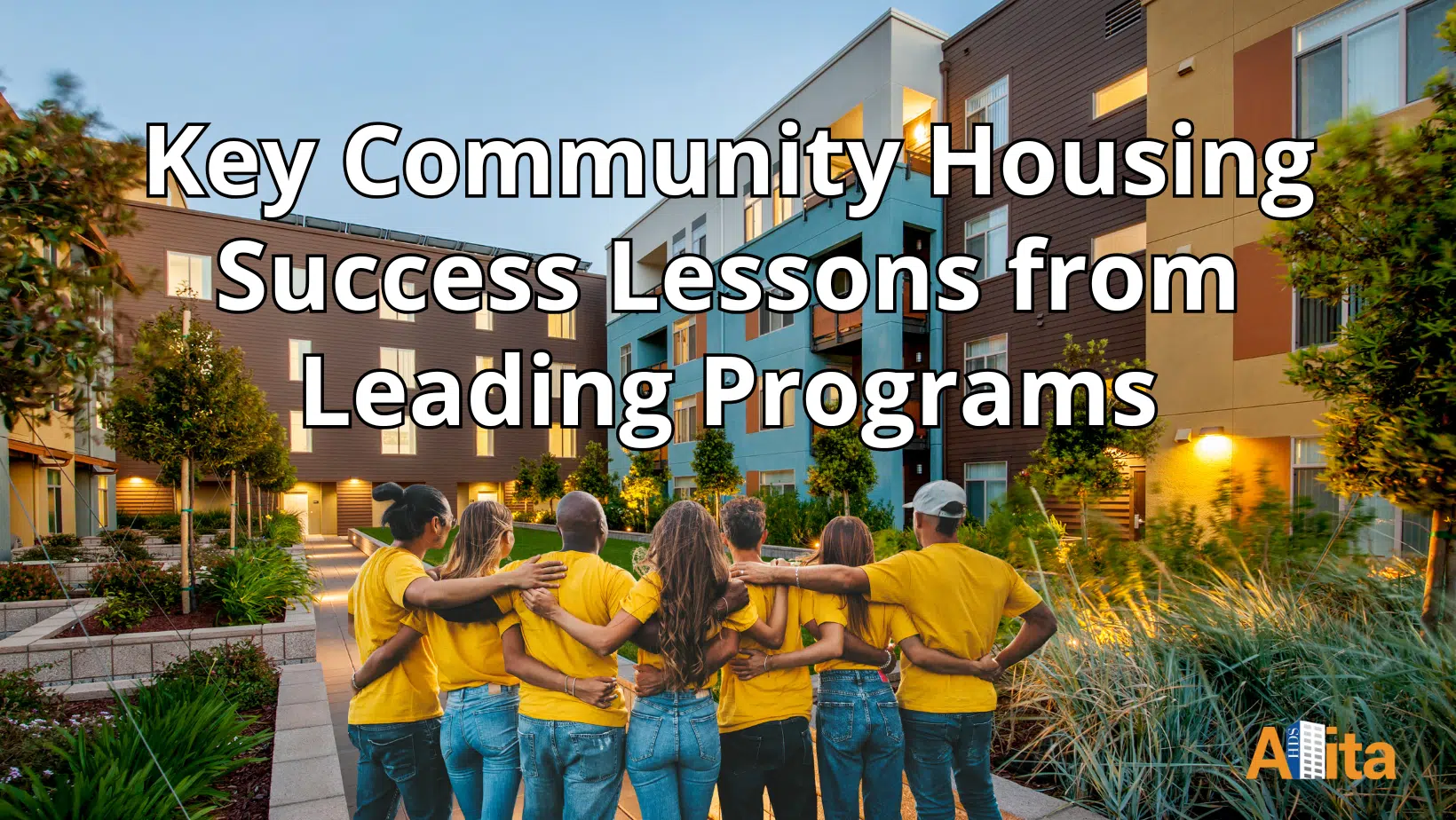
Across the United States, community housing and homelessness prevention initiatives continue to evolve, yielding important community housing success lessons for practitioners in the field. Drawing from emerging program models, funding innovations, and collaborative strategies that have taken shape in 2025 and 2026, this article highlights best practices that affordable housing agencies and community partners can adopt to strengthen housing stability and program impact.
1. Leverage Targeted Funding Programs
One key success lesson is the strategic alignment of funding with program goals. For example, California has expanded its Homekey+ program, awarding more than $767.9 million to support permanent supportive housing projects that serve veterans and people with behavioral health challenges. These investments have created thousands of affordable homes tied to supportive services, demonstrating how targeted funding can generate tangible outcomes for vulnerable populations.
Similarly, programs backed by the Homeless Housing, Assistance and Prevention (HHAP) initiative have allocated more than $159 million to regional partners across California to prevent and reduce homelessness through coordinated local solutions.
Agencies can adopt this lesson by monitoring funding opportunities and aligning proposals with funding priorities that emphasize supportive services, long‑term stability, and measurable outcomes.
2. Build Collaborative Regional Partnerships
Another consistent theme among successful community housing initiatives is collaboration. Coordinated efforts between local governments, nonprofits, housing authorities, and service providers enhance program impact. For example, California’s HHAP awards are structured to incentivize regional collaboration among CoCs and local agencies, enabling shared planning and program delivery.
At the federal level, Continuum of Care (CoC) funding structures encourage unified approaches to homelessness through collective planning and shared goals: a strategy that strengthens service coordination and helps streamline data systems. (See HUD’s annual award summaries and NOFO details for CoC and Youth Homelessness Demonstration Program funding.)
Cross‑sector collaboration is a foundational success lesson that improves resource utilization and creates greater continuity in service delivery.
3. Implement Flexible, Community‑Responsive Housing Models
A third lesson from recent initiatives is embracing flexible and responsive housing models. Across markets, communities are experimenting with diverse approaches tailored to local needs:
-
Tiny home villages and modular units, like the Lafayette Tiny Homes project in Laredo, demonstrate innovative affordable housing solutions that blend affordability with community services.
-
Five‑year plans, such as Raleigh’s Consolidated Plan, emphasize multi‑pronged strategies that include homelessness prevention, rapid rehousing, and supportive services tied to employment and neighborhood investment.
-
Events like Project Homeless Connect bring together local partners and service providers to deliver direct services and build data insights that inform outreach and prevention strategies.
These models underscore the importance of tailoring housing solutions to localized contexts while maintaining pathways to stability and self‑sufficiency.
4. Use Data to Drive Outcomes and Continuous Improvement
Data‑driven decision making is another essential success lesson. Shared systems like the Homeless Management Information System (HMIS) help communities coordinate care and monitor outcomes across programs, while local evaluations inform how services are designed and allocated. Research into data infrastructures shows how standardized, shared data can support collaboration and accountability which are key ingredients for sustainable program success.
Agencies employing strong data practices can evaluate program performance, identify gaps, and adjust strategies in real time — a cornerstone of effective community housing initiatives.
5. Center Supportive Services with Housing
Finally, programs that combine housing with supportive services consistently yield more sustainable outcomes. Beyond physical shelter, services such as case management, behavioral health support, employment assistance, and financial coaching help residents maintain stability. This holistic approach aligns with nationwide strategic plans that emphasize not just housing placement but housing retention and well‑being.
Case studies from supportive housing initiatives affirm that when services are integrated with housing, communities see deeper impacts on long‑term stability, reduced recidivism into homelessness, and stronger resident outcomes.
Putting These Lessons into Practice
These community housing success lessons offer a practical roadmap for housing agencies, service providers, and local governments. By combining targeted funding, regional collaboration, flexible housing models, data‑informed strategies, and integrated services, the sector can continue advancing solutions that promote housing stability and community well‑being.
To learn more about how these themes align with your program strategies, explore HDS Allita for tools that support case management, funding compliance, and service coordination — enhancing your ability to implement best practices across your housing initiatives.