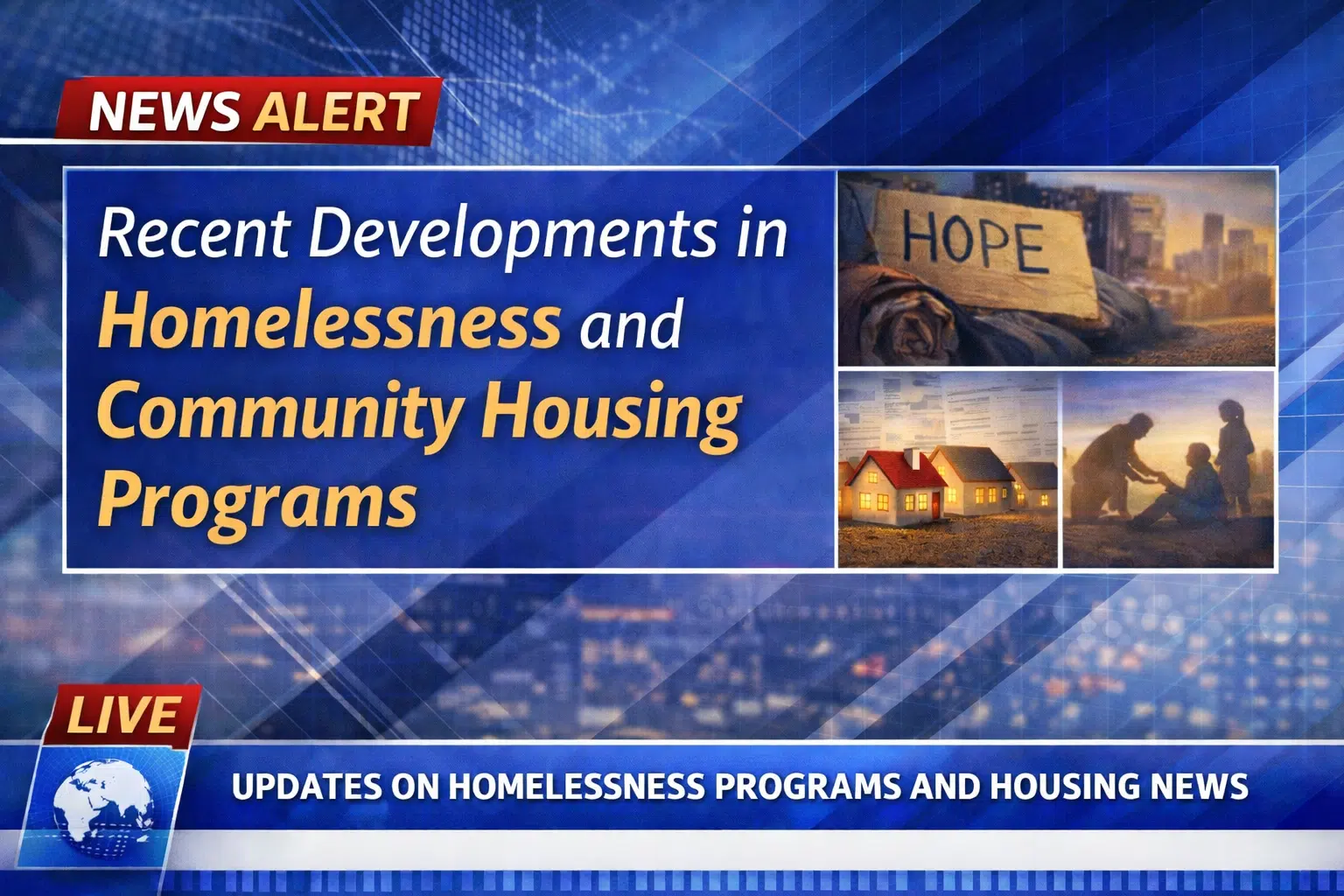
Homelessness remains a complex challenge across the United States, affecting communities of every size. In recent months, discussions around homelessness and community housing programs have focused on how funding is structured and how communities can best support individuals experiencing housing instability.
Across the country, housing organizations, nonprofits, and local agencies continue working to provide services such as shelter, transitional housing, supportive housing, and community development programs. These initiatives aim to help individuals move toward long-term housing stability while also connecting them with services like mental health care, job training, and case management.
Federal Programs Supporting Housing Stability
One of the largest federal initiatives addressing homelessness is the Continuum of Care (CoC) program, administered by the U.S. Department of Housing and Urban Development (HUD). This program helps communities coordinate housing and supportive services for people experiencing homelessness.
The program funds a range of services, including:
-
Permanent supportive housing
-
Rapid rehousing assistance
-
Transitional housing programs
-
Community service coordination and case management
Permanent supportive housing, for example, combines long-term housing with optional services such as counseling, addiction treatment, and employment assistance to help individuals maintain stability.
Ongoing Discussions About Housing Strategies
Recent policy discussions have explored different approaches to addressing homelessness and community housing programs. Some proposals focus on increasing transitional housing and services that support employment and treatment programs, while others emphasize expanding long-term housing solutions for people experiencing chronic homelessness.
These discussions reflect the broader challenge of determining how best to allocate resources and design programs that help individuals move toward stable housing. Housing experts often note that homelessness is influenced by multiple factors, including housing costs, availability of affordable units, health needs, and economic conditions.
As communities evaluate these approaches, the shared goal remains improving housing access and ensuring that individuals experiencing homelessness can connect with the services they need.
Community-Level Efforts Making an Impact
Beyond national discussions, many local organizations continue developing innovative housing and support initiatives.
For example, new housing projects and transitional programs are being created to provide stable living environments alongside supportive services such as financial counseling, job training, and mental health resources. These programs often aim to help individuals regain stability and transition toward long-term housing.
Community shelters and support centers also play an essential role. Many provide overnight shelter, meals, and life-skills programs while helping individuals access employment and housing opportunities.
Additionally, housing developments designed for vulnerable populations continue to emerge, offering both housing units and integrated services to support residents’ well-being and independence.
The Importance of Collaboration and Data
Addressing homelessness requires coordination among many organizations. Housing authorities, nonprofits, community partners, and service providers often rely on shared systems and data infrastructure to coordinate care and track services.
These systems help organizations understand community needs, measure outcomes, and improve how housing programs operate. Researchers note that shared data platforms can help service providers collaborate more effectively and coordinate housing services across agencies.
Supporting Housing Solutions Through Technology
Technology also plays an important role in strengthening housing programs. Platforms that support case management, compliance tracking, and program administration help organizations operate more efficiently and focus on delivering services.
At HDS Allita, our solutions are designed to support agencies and organizations managing homelessness and community housing programs. By improving workflow management, reporting capabilities, and coordination across programs, these tools help housing providers focus on what matters most, supporting individuals and families seeking housing stability.
Moving Forward
Homelessness remains a significant issue that communities continue to address through housing programs, supportive services, and collaborative partnerships.
While approaches may vary across regions and programs, organizations across the country share a common goal: expanding access to housing and helping individuals move toward stability and opportunity.
Through continued collaboration, data-driven decision making, and strong community partnerships, housing providers and service organizations are working every day to support individuals and families in need.